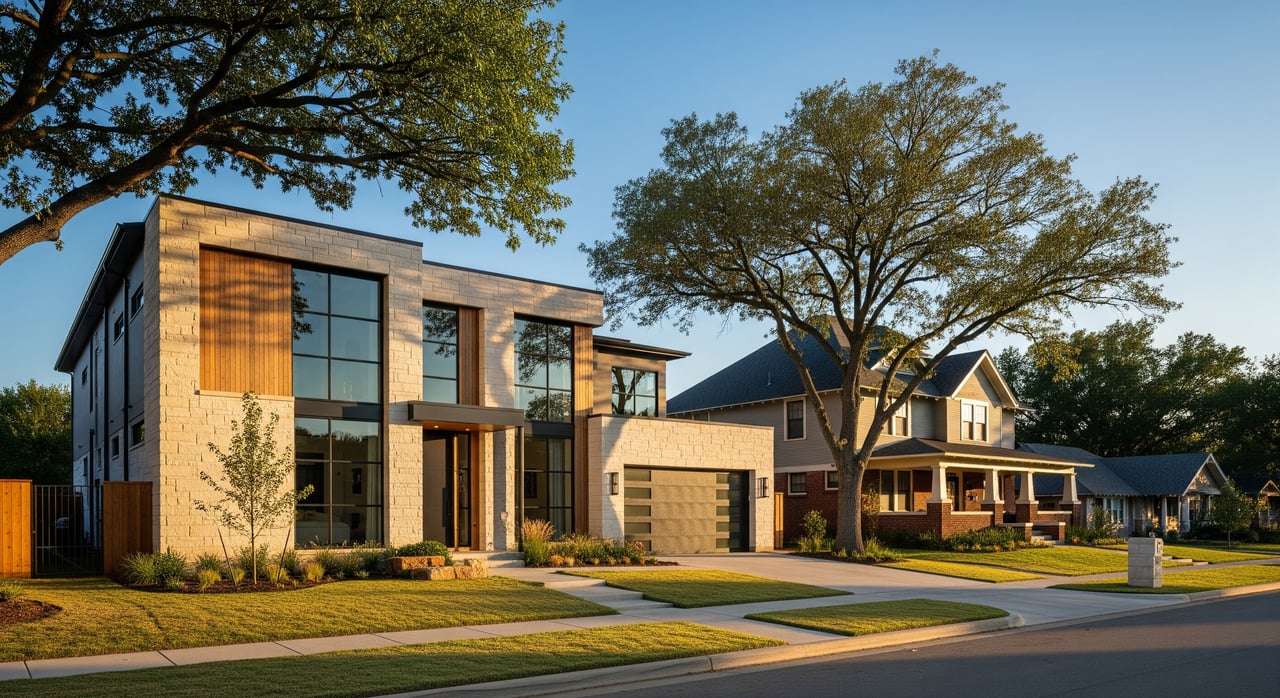
Trying to decide between a brand-new build and a resale home in Norman? You are not alone. With steady demand from the University of Oklahoma and easy access to I-35 and Oklahoma City, both options can make sense. In this guide, you will compare costs, timelines, inspections, and long-term value so you can buy with confidence. Let’s dive in.
How Norman’s market shapes your choice
Norman’s population was 128,026 in the 2020 Census, and the University of Oklahoma drives a steady stream of students, staff, and related employment. That stability supports housing demand across a range of neighborhoods. Proximity to OKC job centers and I-35 shapes where you look and how you weigh commute times.
New subdivisions at the edges of the city often offer modern amenities and planned-community features. Older areas offer mature trees, established streetscapes, and existing civic infrastructure. School boundaries within Norman Public Schools matter to many buyers and can influence future resale. Severe weather is part of life in Oklahoma, so construction quality, roof condition, and storm-ready features should factor into your decision.
New construction: what you gain
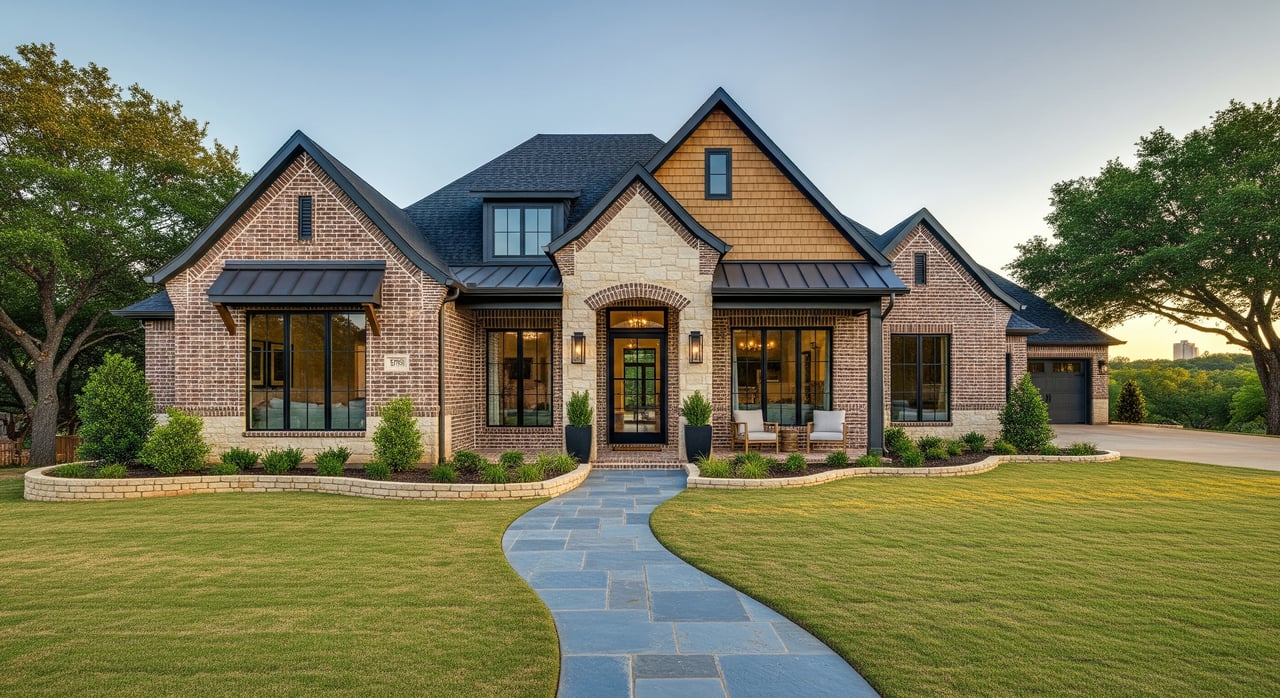
New homes in Norman generally meet today’s building codes and offer modern systems. That can mean better insulation, up-to-date HVAC and electrical, and improved fire and safety standards. You also get lower near-term maintenance because the big-ticket items are new.
Many builders offer a level of customization. If you buy early, you can select finishes and layout options that match your needs. You also benefit from warranties. A common structure is 1 year for workmanship, 2 years for systems, and a longer structural warranty for major components.
Energy efficiency can lower monthly costs, especially in the first years. When you buy a completed spec home, your move-in timeline is predictable, which helps with lease planning or coordinating a sale.
New construction: watchouts and extra costs
New builds often carry a price premium. The base price may look competitive, but many features show up as paid upgrades. Lot premiums for larger or better-located lots can raise the total. Factor in landscaping and window treatments that a resale might already include.
Builders may use structured incentives instead of open price negotiation. You might see closing-cost help or a rate buydown with a preferred lender. Compare those offers to independent loan quotes so you understand the true net cost.
Plan for timing risk. Weather, materials, and subcontractor schedules can delay completion. Most new communities also come with HOA rules and dues, which affect both your monthly budget and what you can change on the exterior.
New-build process and financing in Norman
Expect a sequence: lot or home selection, contract and earnest money, design and options, construction milestones, inspections, punch list, final walkthrough, and closing. Ask how the builder handles delays and what happens if there are material changes.
Financing depends on the stage. Completed homes often use standard conventional loans. If you build from the ground up, you may use a construction-to-permanent loan or a builder’s preferred program with draws during construction. Appraisals in brand-new subdivisions may rely on recent sales from the same builder, which can affect loan amounts and cash-to-close if values do not align.
Get warranty terms in writing. Confirm what is covered, for how long, and how to file a claim. If long-term protection is a priority, ask about third-party structural warranties or performance certifications.
Resale homes: why they appeal
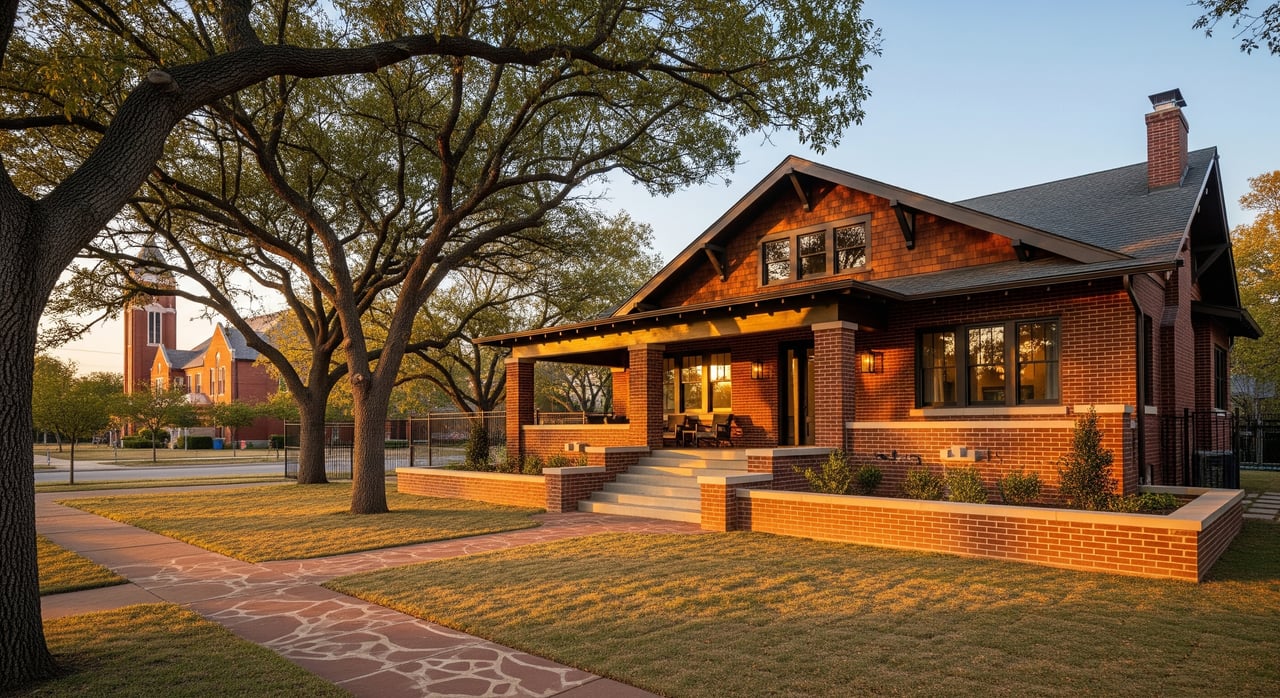
Resale homes sit in established neighborhoods with mature landscaping and a sense of place. You often get quicker move-in timelines, especially if the home is vacant. Pricing can be more negotiable, and sellers may be flexible on contingencies.
You can review seller disclosures, utility history, and permit records to understand the home’s past. In neighborhoods with many comparable sales, appraisals tend to be more predictable than in brand-new developments.
Resale homes: risks and inspections to prioritize
Older systems will need updates sooner. Roofs, HVAC units, plumbing, and electrical may be at or near end of life, which can increase short-term costs. Energy efficiency might lag unless recent upgrades were completed.
A thorough home inspection is essential. Consider specialty inspections when appropriate: pest or termite, sewer scope for older lines, roof evaluation, and HVAC servicing. Verify permits for past renovations. Unpermitted work can complicate insurance, financing, or future resale.
If you are using FHA or VA financing, be aware that lenders may require the seller to complete repairs tied to health or safety before closing. Budget time and funds for immediate updates like flooring, minor carpentry, or paint.
True cost: beyond the purchase price
Your decision should weigh total cost of ownership. For new construction, budget for upgrades, lot premiums, landscaping, and HOA dues. For resale, factor in immediate repairs, possible remodeling, and higher near-term maintenance.
Property taxes and homeowner’s insurance are key. In Oklahoma, wind and hail risk can influence premiums and deductibles. Compare quotes and pay attention to roof coverage terms. Newer homes can lower utility and repair costs at first, while older homes may have higher maintenance but a lower purchase price.
Consider opportunity cost. Custom upgrades may enhance your enjoyment but do not always return dollar-for-dollar at resale. Decide which features matter most for daily living versus long-term value.
Resale potential and location factors in Norman
Location drives long-term value. Proximity to OU, major roads, job centers, and neighborhood amenities influences demand and liquidity. For some buyers, verified school boundaries are part of the value equation. Lot size, yard usability, and mature trees also matter to many shoppers.
For new construction, builder reputation and the pace of neighborhood build-out affect appreciation. For resale, overall condition and documented updates are major value drivers. In a storm-prone region, safe rooms, impact-rated features, and roof age can be selling points.
Practical checklist: new vs resale in Norman
New construction checklist
- Confirm the builder’s local reputation and visit completed homes in Norman.
- Review written warranty coverage and the claims process.
- Ask about build timeline, delay contingencies, and what happens if materials change.
- Review the plat, HOA covenants, and future phases that may affect traffic or noise.
- Verify utility hookup fees and any special assessments.
- Check school boundary maps if they are important to your decision.
Resale checklist
- Hire a licensed home inspector; add specialty inspections as needed (sewer scope, pest, roof, HVAC).
- Request seller disclosures and permit history for renovations.
- Order a survey to confirm boundaries, easements, and encroachments.
- Ask for recent utility history if available to estimate monthly costs.
- Include an appraisal contingency and review nearby comparable sales.
Shared steps for both paths
- Check FEMA flood maps and local floodplain data for risk insights.
- Verify property tax information with the county.
- Get multiple mortgage preapprovals and compare builder incentives to independent lenders.
- Confirm clear title and purchase title insurance.
- Review closing costs, prorations, and escrow requirements.
Timeline expectations
- Completed spec home: closing can be quick if your financing is ready.
- Build-to-order home: plan for roughly 4 to 9 months, depending on lot readiness, weather, and builder backlog.
- Resale home: timelines are often driven by your loan, appraisal, and any negotiated repairs.
Being realistic about the calendar helps you coordinate a lease end or the sale of your current home.
Making your move with a trusted local guide
Whether you value modern systems and warranties or prefer mature neighborhoods and negotiation options, you have solid choices in Norman. Focus first on location, daily commute, and lot fit. Then weigh total cost of ownership and timeline. If you want a straightforward plan, experienced negotiation, and a calm guide from contract to closing, connect with Rick McCormick. We will tailor a path to your goals and keep your move on schedule.
FAQs
Should I buy new construction or a resale home in Norman?
- Choose new if you want lower near-term maintenance, modern systems, and customization; choose resale for established neighborhoods, more negotiation flexibility, and often a lower upfront price.
Are new homes in Norman always more expensive than resales?
- Not always, but many new homes carry a premium; compare the base price plus upgrades, lot premiums, HOA dues, and incentives against a resale price plus expected repairs.
How long does a new build typically take in Norman?
- A completed spec can close in weeks; a build-to-order commonly runs 4 to 9 months depending on lot status, weather, materials, and builder scheduling.
What inspections do I need for a resale home?
- Get a full home inspection and add specialty inspections as needed, such as termite, sewer scope, roof evaluation, and HVAC servicing.
Do I still need inspections for new construction?
- Yes. Order phase inspections at framing or pre-drywall and a final independent inspection before your walkthrough and closing.
How do builder warranties usually work?
- Many builders offer staged coverage, commonly 1 year for workmanship, 2 years for systems, and longer for structural elements; confirm exact terms in writing and how to file claims.
How does being near the University of Oklahoma affect my decision?
- Proximity to OU can support rental demand and resale liquidity, though areas near campus may see more turnover; match your location choice to your long-term goals.